Dedication – that’s what you need as an advocate
27 Jul
THE Faculty of Advocates recently welcomed 29 new members at calling ceremonies held in Edinburgh. The new advocates were admitted as members of the Faculty by the Dean of Faculty, Roddy Dunlop KC, and admitted to the public office of advocate by Lady Tait, Lord Braid, Lord Cubie and Lord Harrower.
For those unfamiliar with the profession, advocates are specialist lawyers instructed to represent clients in courts and tribunals, provide expert legal opinions and help resolve complex disputes. They play a vital role in Scotland’s justice system, appearing in some of the country’s most significant civil and criminal cases.
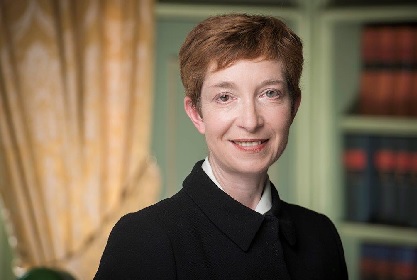
Being called to the Bar marks the start of an advocate’s career, but it follows an intensive nine-month training programme known as devilling. This combines formal classroom-led advocacy training with practical experience under the guidance of experienced advocates, known as devilmasters.
The aim of devilling is straightforward: to prepare aspiring advocates for practice. Alongside classes and assessments, devils observe cases in court, carry out legal research, help prepare for hearings and undertake extensive drafting exercises of legal documents and advice.
This year’s intake came from a wide range of backgrounds, reflecting the increasing diversity of those entering the profession. What they share is a commitment to the law, strong analytical skills and a determination to achieve the best outcomes for those they are instructed to represent.
Among those called over the years are people who have worked in different areas of legal practice, and those who studied law after pursuing other careers. They come from communities across Scotland and bring a wealth of professional and life experience. That diversity strengthens the profession and helps ensure the Bar reflects the society it serves.
Advocacy demands much more than legal knowledge. Advocates must analyse complex legal and factual issues, present persuasive arguments and communicate clearly with judges, solicitors, clients and colleagues. They also need sound judgement, resilience and the ability to think quickly under pressure. At the heart of the profession is independence. Advocates must provide objective advice and independent representation alongside specialist legal expertise.
Make no mistake – it is a challenging career, and those who lack the necessary dedication and drive are unlikely to succeed.
Advocacy is also a form of public service. Many advocates undertake pro bono work, helping people access specialist representation regardless of their financial circumstances. Advocates also contribute to the wider justice system through teaching, mentoring, legal research and service on professional and public bodies.
Interest in a career at the Bar has grown in recent years. An important factor has been the expansion of financial support for devils. Because the training programme is full-time and participants are generally unable to undertake other work, financial assistance can make a significant difference. Increased funding, provided by other, established advocates, has helped reduce financial barriers to entry and encouraged applications from a broader range of candidates.
The growing number of advocates joining the Bar has also helped drive development within the profession. Most recently, it contributed to the establishment of a new stable at the Faculty of Advocates – 1Six Chambers – the first in almost 20 years.
It is always encouraging to see talented people choosing a career at the Bar, and I have no doubt this year’s intake will make a valuable contribution to Scotland’s legal profession and wider justice system.
This piece first appeared in The Scotsman